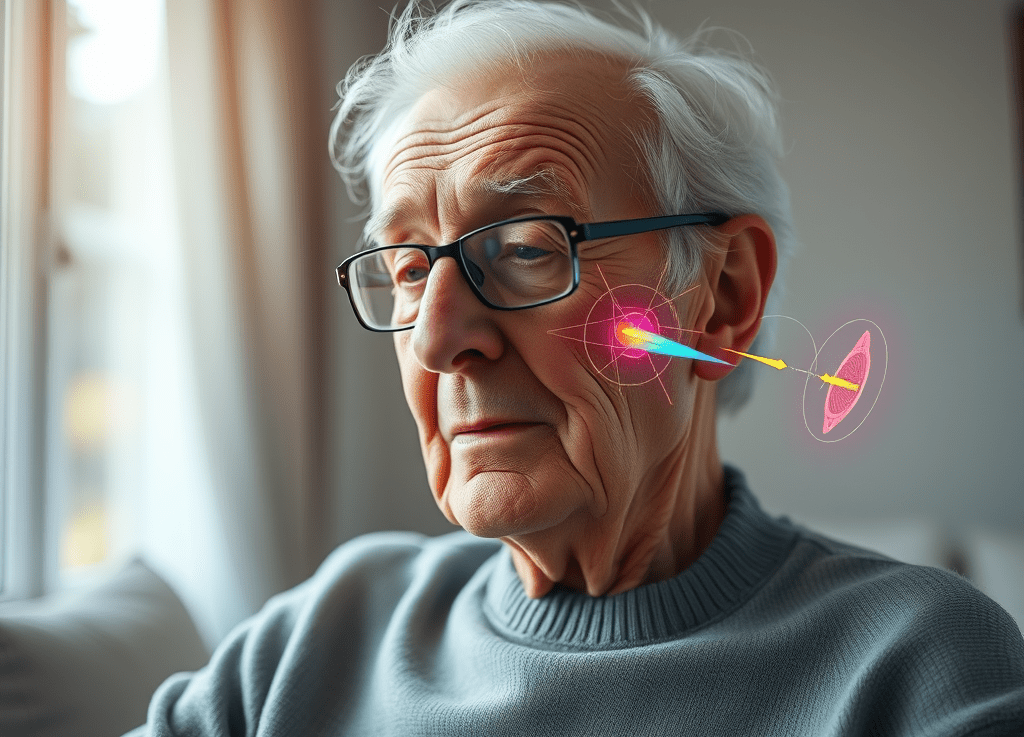
Maintaining balance is something most of us take for granted—until dizziness or instability reminds us just how important it is. Vertigo, balance issues, and falls are common concerns, especially as we age or after certain medical conditions. Understanding the causes, recent advances in treatment, and practical strategies can help reduce risks and improve quality of life.
What is Vertigo?
Vertigo is a specific type of dizziness, often described as a spinning sensation, either of the person or the surroundings. Unlike general lightheadedness, vertigo usually arises from problems in the inner ear, brain, or sensory systems that control balance. Common triggers include:
- BPPV (Benign Paroxysmal Positional Vertigo): Small crystals in the inner ear become dislodged, causing spinning sensations with head movements.
- Vestibular neuritis or labyrinthitis: Inflammation of the inner ear affecting balance signals.
- Medication side effects or other medical conditions that affect blood pressure or neurological function.
Patients often report unsteady walking, difficulty coordinating head and eye movements, or worsened symptoms with turning or standing.
How Balance Works
Balance relies on three systems working together:
- Visual system: Helps with orientation in space.Your eyes help you understand where you are and what’s around you, like the ground, walls, or moving objects.
- Vestibular system (inner ear): Detects motion and spatial orientation.This system senses movement and changes in head position, helping you stay upright when you turn, bend, or walk.
- Proprioceptive system (muscles and joints): Provides feedback on limb position and movement.These send signals to your brain about where your arms and legs are and how they’re moving—even without looking.
When one system is impaired, others compensate, but imperfectly. This can lead to unsteady gait, cautious movements, or fear of falling.
Why Falls Happen
Falls usually result from a combination of factors:
- Muscle weakness: Weak core, glutes, or lower extremities reduce stability.
- Postural deviations: Forward-leaning posture, rounded upper back, or improper foot alignment shift the center of gravity.
- Gait abnormalities: Wide-based steps, out-toeing, or slow transitions increase fall risk.
- Environmental hazards: Clutter, stairs, or slippery surfaces.
- Fear of falling: Anxiety can alter movement patterns, paradoxically increasing fall risk.
Falls often occur during transitional movements, like turning, stepping through doorways, or standing from a chair.
Recent Advances in Vertigo and Balance Management
Virtual Reality (VR) in Vestibular Rehabilitation
VR-based therapy immerses patients in controlled environments, improving gaze stabilization, sensory integration, and balance training. Studies show VR can enhance rehabilitation outcomes for vestibular disorders while providing an engaging experience.
Perturbation-Based Balance Training
This approach introduces unexpected destabilizing forces during standing or walking, improving reactive stepping responses and reducing fall risk. It helps the nervous system learn to react quickly to balance challenges.
Vestibular Implants
Emerging research explores vestibular implants for patients with chronic bilateral vestibular loss, stimulating the inner ear to restore balance function.
Predictive Walking Metrics
Step width, how steady a person’s timing is, and how consistently they place their feet can help spot people who are more likely to fall, allowing help to start earlier.
How Physical Therapy Can Help
A physical therapist can assess and address deficits through:
- Gait and postural training: Correcting foot placement, stride symmetry, and posture.
- Core, glute, and lower extremity strengthening: Stabilizes the trunk and pelvis for safer movement.
- Flexibility and mobility exercises: Stretch tight muscles like hamstrings and improve trunk rotation.
- Balance and proprioception drills: Static and dynamic exercises, sometimes with eyes closed or on unstable surfaces.
- Vestibular rehabilitation: Specific head and eye exercises to retrain the inner ear.
Practical Tips for Fall Prevention
- Engage in regular exercise. Incorporate daily balance and strengthening exercises.
- Keep living spaces well-lit and free of obstacles.
- Regularly check vision, hearing, and medications that can affect balance.
- Use assistive devices like canes or walkers if recommended.
Vertigo, balance difficulties, and falls are common but manageable concerns. With targeted therapy, adherence to exercises, and awareness of recent advances, most people can improve stability, reduce fall risk, and regain confidence in daily activities. Early intervention is key.
 Physio Insights